
Are you stressed out? Need more clarity and peace in your daily life? Do you want improved health, well-being and happiness?
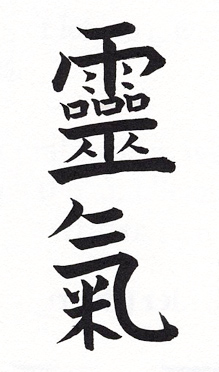
Usui Reiki Ryoho (Usui Reiki Healing Art) is a system for natural healing and self-improvement developed by Mikao Usui in Japan in the early 1900s. The Japanese kanji or pictogram (“Rei” and “Ki”) can be defined as a miraculous and sacred energy (essence) of the universe that sustains all life.
The goal of Reiki healing is to assist the body in restoring energetic balance for the well-being and health of mind, body and spirit. These concepts are similar to other forms of Eastern-based medicine and mind/body practices including meditation, yoga, tai chi, and acupuncture.
What are the benefits of Reiki healing?
Reiki is non-invasive and gentle, which makes it an ideal tool for supporting your overall wellness. As a complementary therapy, it relieves stress and supports the body’s self-healing ability.
Clinical observation and preliminary evidence from small studies demonstrate that Reiki healing can be beneficial for:
- relaxation and stress relief
- anxiety and depression
- pain, discomfort and other palliative care
- emotional trauma, including PTSD
- insomnia
- digestive issues
- improved heart rate variability in cardiac patients
- side effects from cancer treatment, including nausea and fatigue
- recovery from surgery or sports injury
- supporting overall well-being
Reiki is very easy to learn as a daily practice for wellness, self-care and balance. Self-treatment is especially helpful for people undergoing treatment for health issues, or who live with chronic health conditions. Caregivers are also encouraged to learn Reiki for self-care and to provide caring, healing touch for their patients or loved ones.
Reiki is a safe and supportive complement to conventional medicine, and is increasingly being offered in many hospitals, medical care and therapeutic settings. Reiki treatment should not be a substitute for regular medical care from a qualified professional.
What is a Reiki session like?
Before your first session, a Reiki practitioner will spend a few minutes describing the session to you and what you might expect. He or she will also give you an opportunity to discuss any particular issues you are experiencing and what you hope to achieve from your session.
For the actual session, you will rest comfortably and fully clothed on a massage table on your back with your shoes removed. You may spent part of the session face-up and then may be asked to turn over so the practitioner can work on the back part of your body. If a medical condition requires it, Reiki can easily be performed with you sitting in a chair as well. Reiki healing can easily accommodate people in care settings who are in hospital beds or wheelchairs.
A typical Reiki session lasts about an hour, but can be modified or shortened as needed. The practitioner utilizes a combination of hand positions beginning at the head. Some hand positions may be hands-on, where a light touch is applied, or hands-off where the hands are held slightly above the body. Your Reiki practitioner should ask your preference for touch prior to beginning treatment.
During a session, people often report feeling relaxed, peaceful, and may experience physical sensations such as warmth or tingling. Some people enter a liminal state (between waking and sleeping) or actually fall asleep during a treatment, both of which are wonderful for promoting deep healing. Upon follow-up, people say that their mood is improved, they are less tense, and are feeling less discomfort.
The healing benefits of Reiki are not limited to in-person sessions. Distance healing can be conducted by qualified practitioners, and is very useful for someone who does not have immediate access to a Reiki practitioner, is housebound, or would simply prefer to relax in a safe, familiar environment.
Clinical research
For more information on Reiki, as well as clinical reports or studies that support Reiki’s healing benefits, see:
- Reiki: An Introduction (National Center for Complementary and Alternative Medicine)
- How Can Reiki Help Me? (University of Minnesota’s Center for Spirituality & Healing)
- Biofield Therapies: Helpful or full or Hype? Review Looks at Reiki, Therapeutic Touch and Healing Touch (Science Daily)
- Preliminary Report on the Use of Reiki for HIV-Related Pain and Anxiety (Alternative Therapies in Health and Medicine)
- Reiki for Mind, Body and Spirit Support for Cancer Patients (Advances in Mind/Body Medicine)
- Effects of Reiki on Autonomic Activity Early After Acute Coronary Syndrome (Journal of the American College of Cardiology, 2010)
- Reiki: A Starting Point for Integrative Medicine (Alternative Therapies in Health and Medicine)
- A Qualitative Analysis of the Long-Term Effects of Energetic Healing on Symptoms of Psychological Depression and Self-Perceived Stress (The International Journal of Healing and Caring)
- Reiki for Cancer Patients (PennMedicine)
- Effects of Reiki Therapy on Pain and Anxiety in Patients Attending a Day Oncology and Infusion Services Unit (American Journal of Hospice & Palliative Medicine)
- A Randomised Controlled Single-Blind Trial of the Efficacy of Reiki at Benefitting Mood and Well-Being (Evidence-Based Complementary and Alternative Medicine Volume 2011)
- Integrative Reiki for Cancer Patients: A Program Evaluation (Integrative Cancer Therapies, Sept, 2013)
- Effects of Reiki on Pain, Anxiety, and Blood Pressure in Patients Undergoing Knee Replacement: A Pilot Study (Holistic Nursing Practice, 2017)